The Daily 5 for Women After 60: 5 Habits That Keep You Strong and Steady
By Bert Cale
Welcome back to Healthy Aging Ally. I'm Bert Cale. I'm not a doctor or a clinician. I'm a researcher who reads the science and translates it into plain English. A while back I shared My Daily 5, the five small habits I do every day. Many of you asked what those habits look like for women. This post is for you.
The habits are the same. But after 60, and especially after menopause, women's bodies change in ways that make some of these habits matter even more. Lower estrogen is linked to faster bone and muscle loss, and research suggests women are at higher risk of osteoporosis and falls as they age. The good news is that small daily steps may help you stay strong and steady.
Habit 1: Morning sunlight
What to do: Step outside for 10 to 15 minutes within an hour or so of waking up. A porch, a garden or a short stroll all count.
Why it matters: Morning light helps set your body clock. That clock tells your body when to feel alert and when to wind down, which may support better mood during the day and better sleep at night. Sunlight on your skin also helps your body make vitamin D.
Why it matters especially for women: Vitamin D helps your body use calcium, and calcium is a building block of bone. Because women tend to lose bone faster after menopause, getting outside regularly is one simple way to support the basics. Your doctor can check your vitamin D level if you're unsure.
One practical tip: Pair it with something you already do, like your first cup of coffee or tea on the porch. Read more in Morning Sunlight After 60.
Habit 2: Protein at breakfast
What to do: Aim to include a good source of protein at breakfast, such as eggs, Greek yogurt, cottage cheese, or a protein shake.
Why it matters: Muscles need protein to repair and rebuild. As we age, our bodies become less efficient at using protein, so research suggests spreading it across the day, starting at breakfast, may work better than saving most of it for dinner.
Why it matters especially for women: Women generally start with less muscle mass than men, and muscle loss can speed up after menopause. Muscle is what helps you climb stairs, carry groceries and catch yourself if you trip. Protein at breakfast is a small daily investment in that strength.
One practical tip: If cooking in the morning feels like a chore, a simple shake can help. I compared options in Best Protein Powders for Adults Over 60.
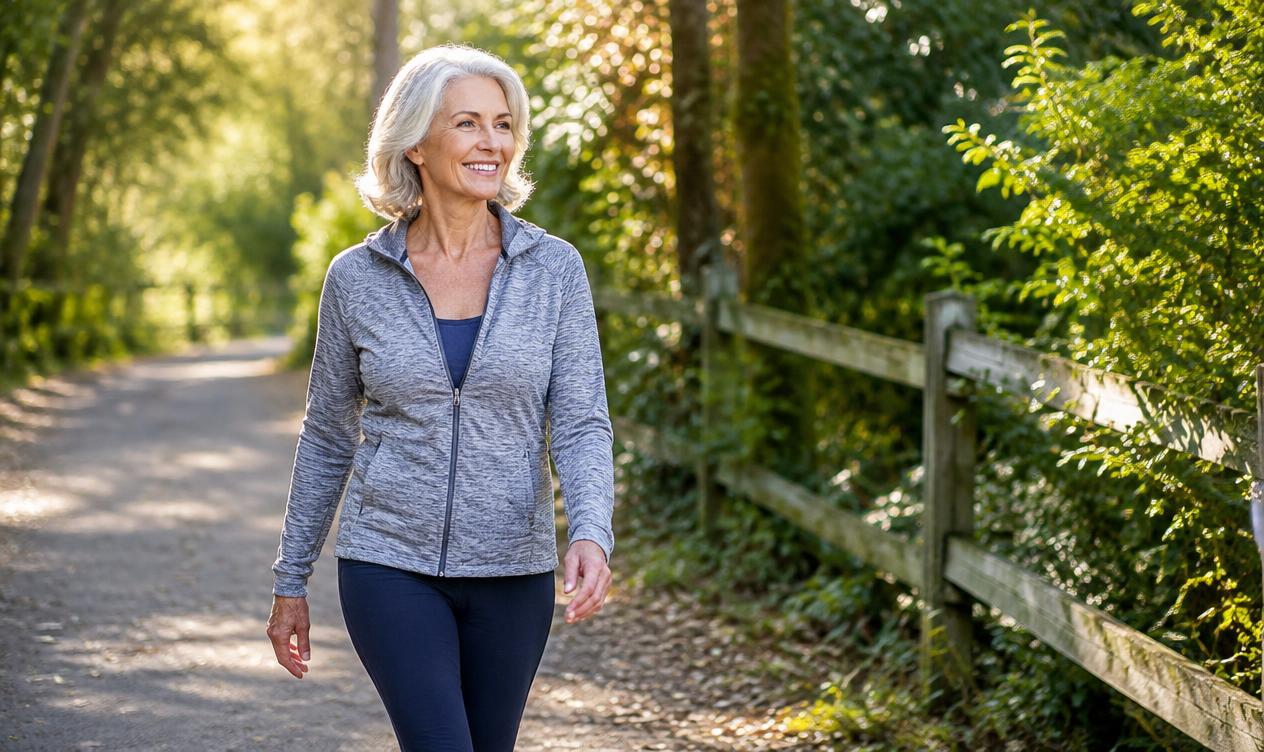
Habit 3: A 20-minute walk
What to do: Walk for about 20 minutes at a comfortable pace where you can still talk. It can be all at once or split into two 10-minute walks.
Why it matters: Walking gets your heart pumping, helps your muscles use blood sugar, and keeps your joints moving. It's one of the most studied and most doable habits for healthy aging.
Why it matters especially for women: Walking is a gentle weight-bearing activity, which means your bones carry your body weight as you move. Research suggests this kind of light impact helps signal bones to stay strong. It also keeps the leg muscles you rely on for balance active.
One practical tip: Walk with a friend or neighbor. You'll be more likely to show up, and the conversation makes the time fly.
Habit 4: One strength or balance move
What to do: Pick one simple move and do it every day. A few good choices:
- Sit-to-stand: Rise from a sturdy chair without using your hands, then sit back down slowly. Try 5 to 10 times.
- Heel raises: Hold the kitchen counter, rise up onto your toes, then lower slowly. Try 10 times.
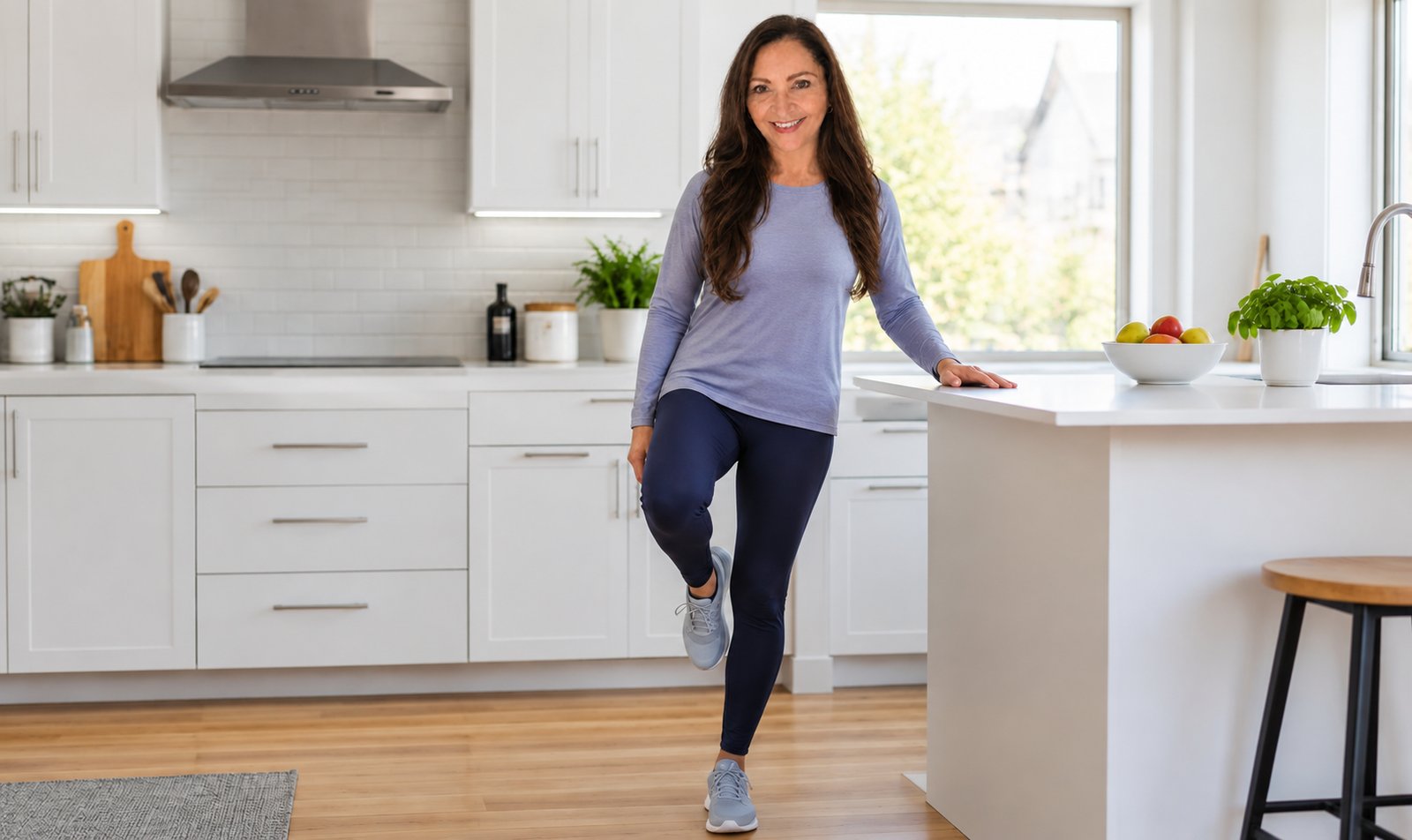
- Stand on one leg: Hold the counter lightly and balance on one foot for up to 30 seconds, then switch.
Why it matters: Muscles and balance follow a "use it or lose it" rule. Even a little daily practice may help keep the muscles and reflexes that keep you upright.
Why it matters especially for women: Falls are a leading cause of injury for older adults, and because women are more likely to have thinner bones, a fall can be more serious. Building leg strength and practicing balance is one of the most practical ways to help lower that risk.
One practical tip: Do your move while waiting for the kettle or the coffee to brew. Always keep something sturdy within reach.
Habit 5: A sleep wind-down
What to do: Give yourself 30 to 60 minutes before bed to slow down. Dim the lights, put the phone away, and do something calm like reading or gentle stretching.
Why it matters: Sleep is when your body repairs muscle, clears out waste from the brain, and resets for the next day. A steady wind-down routine helps signal your body that it's time to rest.
Why it matters especially for women: Many women notice their sleep changes after menopause, with more night waking or trouble falling asleep. A consistent routine won't fix everything, but it may make good sleep easier to come by. Learn more in 5 Ways to Fix Broken Sleep After 60.
One practical tip: Keep your bedroom cool and dark, and try going to bed and waking up at about the same time every day, even on weekends.
Start small, stay steady
You don't need to do all five perfectly. Start with one or two, and add more when they feel easy. What matters is showing up for yourself a little bit each day. Strong and steady is built one ordinary day at a time.
To make it easier, try my free Daily 5 Checklist. You can check off each habit every day and watch your streak grow.
A quick note: this post is for general wellness and education only. It is not medical advice, and it doesn't promise any particular result. Please talk with your doctor before starting a new exercise routine, changing your diet, or taking supplements, especially if you have a health condition or a history of falls.
Medical disclaimer: Healthy Aging Ally provides general educational information and is not a medical service. This content does not diagnose, treat, cure, or prevent disease. Speak with a qualified healthcare professional before changing your diet, exercise, supplements, or medications, especially if you have a medical condition or take prescription medication.
Try the Free Daily 5 Checklist
Use the 5 habits from this article every day — check them off online, one box at a time.
Open the Free Daily 5 ChecklistGet the Free Healthy Aging Guide
Inside the free guide, you'll find the top protein sources for keeping your muscles strong as you age, simple meal-timing strategies for steady all-day energy, everyday foods that help your body fight inflammation naturally, and the #1 supplement mistake adults over 60 make — all explained in plain language you can put to use this week.
Get the Free Healthy Aging GuideSent straight to your inbox — free, no spam, unsubscribe anytime.