My Daily 5: The 5 Habits I Do Every Day After 60
By Bert Cale
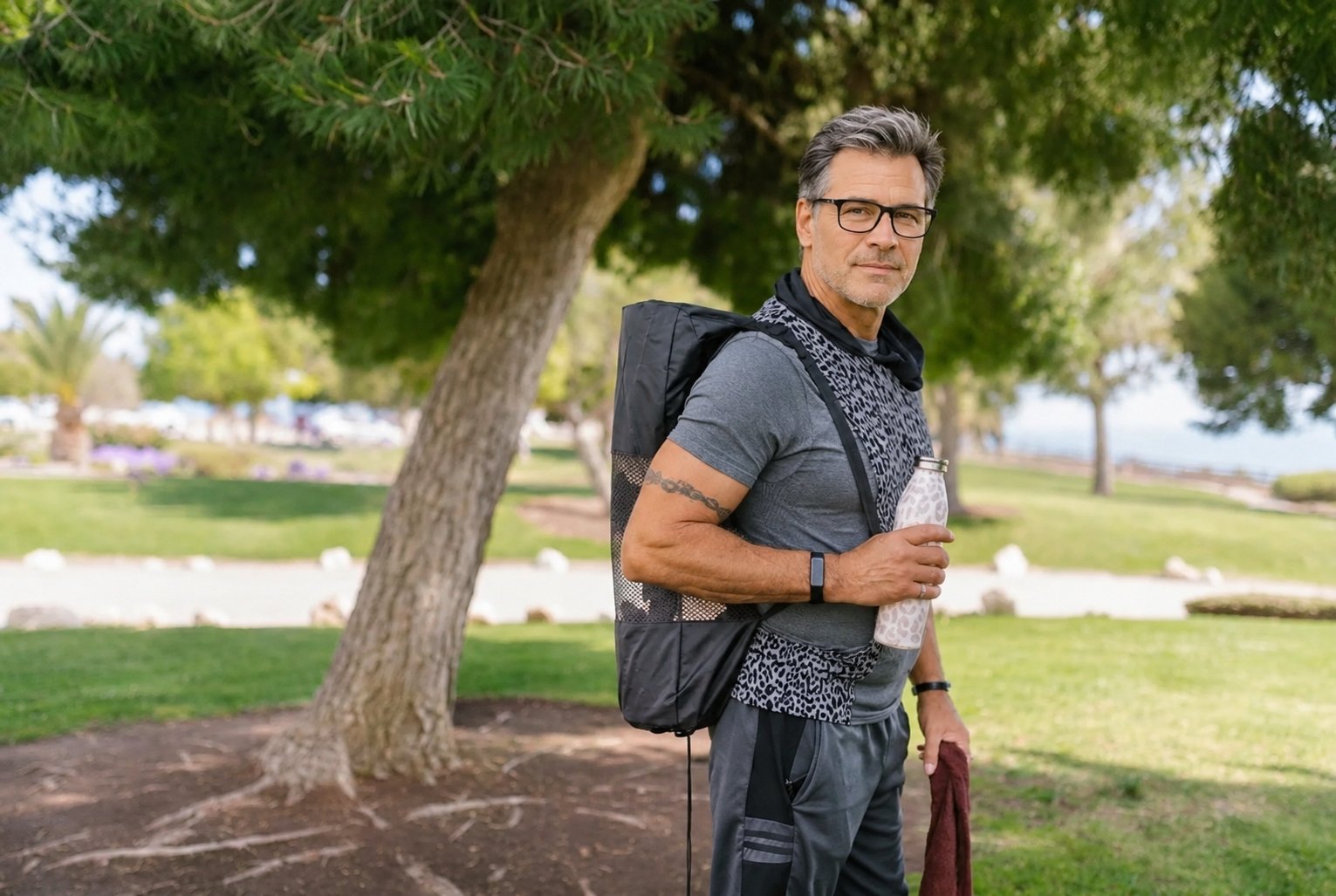
Welcome back! Over the years of digging into the science of longevity and translating research into plain English, I get asked one question more than any other: “Bert, with all this information out there, what do you actually do every day?”
It’s a great question. We can talk about optimizing mitochondria and cellular health all day long, but if a routine is too complicated, it won't stick. I’ve whittled my personal routine down to just five core habits. They aren't expensive, they aren't complicated, and they don't require spending hours in a gym. They are just solid, science-backed practices that keep my energy up and my body moving.
Here is my "Daily 5"—the exact routine I use to stay vibrant and active.
1. Morning Sunlight (Before Screens)
What I do: Within the first 30 minutes of waking up, I step outside for about 10 to 15 minutes. I don’t check my phone or turn on the news; I just stand on the porch or walk around the yard and let the natural daylight hit my eyes.
Why it matters: Our bodies run on a 24-hour internal clock called the circadian rhythm. As we age, this clock can get a little "fuzzy," which is why so many of us struggle with waking up too early or feeling groggy during the day. Natural morning light is the strongest signal you can send your brain to reset that clock. It halts the production of melatonin (the sleep hormone) and boosts healthy cortisol, giving you a natural energy spike. You can read more about how this works in my post on morning sunlight after 60.
One practical tip: You don't need blazing, direct sunshine. Even on an overcast day, outdoor light is significantly brighter than your indoor lamps. Just step outside with your morning coffee—no sunglasses for this short window!
2. Protein at Breakfast
What I do: I make sure my first meal of the day packs a solid punch of protein—usually around 25 to 30 grams. For me, that means a couple of eggs, Greek yogurt, or a quick shake if I’m in a hurry.
Why it matters: As we get older, our bodies become less efficient at turning dietary protein into muscle tissue, a process known as "anabolic resistance." To trigger muscle protein synthesis (the rebuilding of muscle), we have to consume a higher dose of protein at one time than we did in our 30s. Spacing it out evenly throughout the day, starting first thing in the morning, is crucial for holding onto our strength and preventing age-related muscle loss.

One practical tip: If you struggle to eat a big breakfast, a high-quality supplement can be a lifesaver. If you aren't sure where to start, check out my guide on the best protein powders over 60 to find one that is gentle on your stomach.
3. A 20-Minute Walk
What I do: Sometime in the afternoon, usually after lunch, I head out for a brisk 20-minute walk. I don't power-walk like an Olympian, but I keep a steady pace that gets my heart rate up just a bit.
Why it matters: Walking is the ultimate, underrated longevity drug. It aids in digestion, helps smooth out blood sugar spikes after a meal, and keeps your joints lubricated. Even better, it stimulates the production of BDNF (Brain-Derived Neurotrophic Factor), which is basically fertilizer for your brain cells, helping to ward off cognitive decline.
One practical tip: If 20 minutes all at once feels daunting, split it up! Ten minutes after breakfast and ten minutes after lunch gives you the exact same physical benefits without tiring you out.
4. One Strength or Balance Move
What I do: Every single day, I pick just one specific movement focused on either strength or balance, and I do it for a few minutes. Some days it’s doing five sit-to-stands from my kitchen chair. Other days, I practice standing on one leg while holding the kitchen counter.
Why it matters: Falls are one of the biggest threats to our independence as we age, and they usually happen because we've lost our lower body strength and our proprioception (our body's awareness of where it is in space). By doing just one functional movement daily, you are constantly reminding your brain and your muscles how to fire together to keep you upright and stable.
One practical tip: Tie this habit to something you already do every day. For example, practice your single-leg balance while brushing your teeth, or do three chair-squats right before you sit down for dinner. Habit stacking makes it effortless.
5. A Sleep Wind-Down in the Evening
What I do: About an hour before I want to be asleep, I start my "wind-down" routine. I dim the overhead lights in the house, turn off the television and my screens, and switch to a low-stress activity like reading a book or listening to a podcast.
Why it matters: Remember that circadian clock we set with the morning sunlight? The evening wind-down is how we close the loop. As we get into our 60s and beyond, our "sleep architecture" changes, meaning we spend less time in deep, restorative sleep. Exposing our eyes to bright artificial light late at night tricks the brain into thinking the sun is still up, suppressing melatonin. Giving your brain an hour of dim, quiet time is the secret to falling asleep faster and staying asleep longer. You can dive deeper into the science in my post on fixing broken sleep architecture.
One practical tip: Swap your bright bathroom bulbs for a small, warm-toned nightlight. Brushing your teeth under glaring fluorescent lights right before bed is a guaranteed way to wake your brain back up!
Ready to Build Your Own Routine?
This is my Daily 5, and it has absolutely transformed how I feel day-to-day. You don't have to start all five tomorrow, but picking just one or two can make a massive difference in your energy and vitality over time.
If you want an easy way to track your progress, grab a copy of my free Daily 5 Checklist. Keep it on your fridge, check off those habits, and let’s keep thriving together!
Disclaimer: I am a researcher and science translator, not a clinician. The content provided here is for informational and educational purposes only and should not be construed as medical advice. Always talk to your doctor or a qualified healthcare provider about your own specific health situation before starting any new diet, exercise, or lifestyle routine. No specific results are promised or guaranteed.
Medical disclaimer: Healthy Aging Ally provides general educational information and is not a medical service. This content does not diagnose, treat, cure, or prevent disease. Speak with a qualified healthcare professional before changing your diet, exercise, supplements, or medications, especially if you have a medical condition or take prescription medication.
Try the Free Daily 5 Checklist
Use the 5 habits from this article every day — check them off online, one box at a time.
Open the Free Daily 5 ChecklistGet the Free Healthy Aging Guide
Inside the free guide, you'll find the top protein sources for keeping your muscles strong as you age, simple meal-timing strategies for steady all-day energy, everyday foods that help your body fight inflammation naturally, and the #1 supplement mistake adults over 60 make — all explained in plain language you can put to use this week.
Get the Free Healthy Aging GuideSent straight to your inbox — free, no spam, unsubscribe anytime.