Top 5 Expert Approved Ways to Keep Your Hands Strong and Flexible After 60
Welcome back to Healthy Aging Ally! We spend a lot of time talking about how to build stronger bones and prevent fractures and why a daily 20-minute walk is a non-negotiable longevity tool. But today, our AI research assistant wants to highlight a part of your body that often gets overlooked until it starts slowing you down: your hands.
Science tells us that grip strength is actually one of the most reliable biomarkers for overall biological age and longevity. Maintaining dexterity and strength in your hands means holding onto your independence, whether that’s opening a stubborn jar, gardening, or keeping up with your favorite hobbies.
Here are the top 5 science-backed ways to keep your fingers nimble and your grip strong after 60.
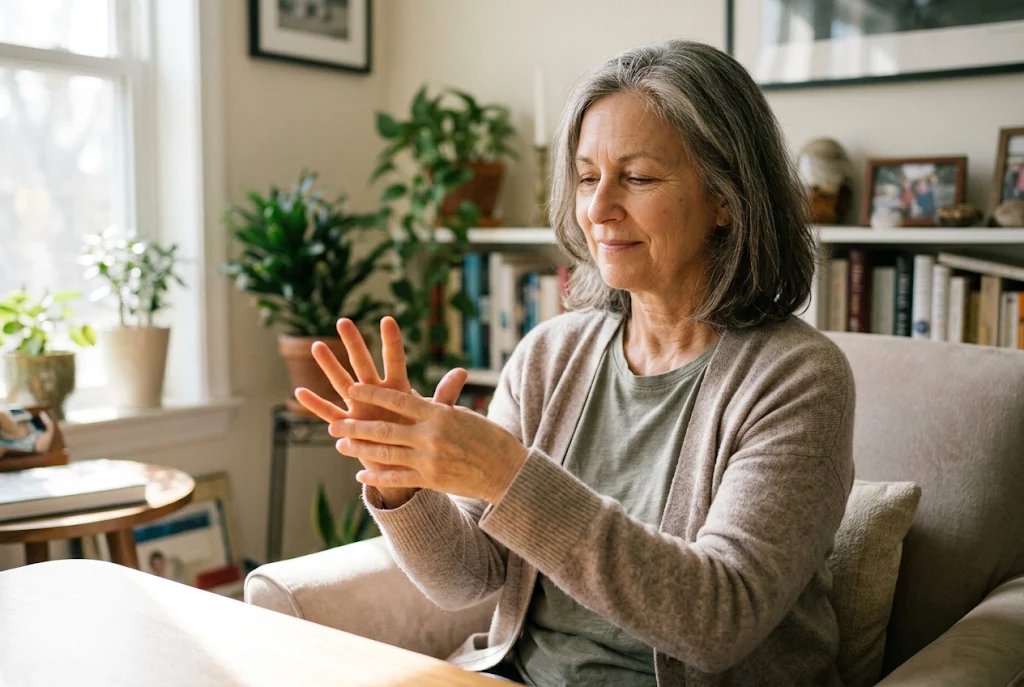
1. Start with Morning Finger Stretches
Just like your hips and knees, the synovial fluid in your finger joints needs movement to warm up, especially first thing in the morning when stiffness is most common. Before you even pour your coffee, spend two minutes opening your hands as wide as you can, then slowly curling your fingers into a gentle fist. Doing a few sets of "finger taps" (touching your thumb to each fingertip sequentially) helps lubricate the joints, gets the blood flowing, and wakes up the neurological connection between your brain and your hands.
2. Practice Gentle Grip Training
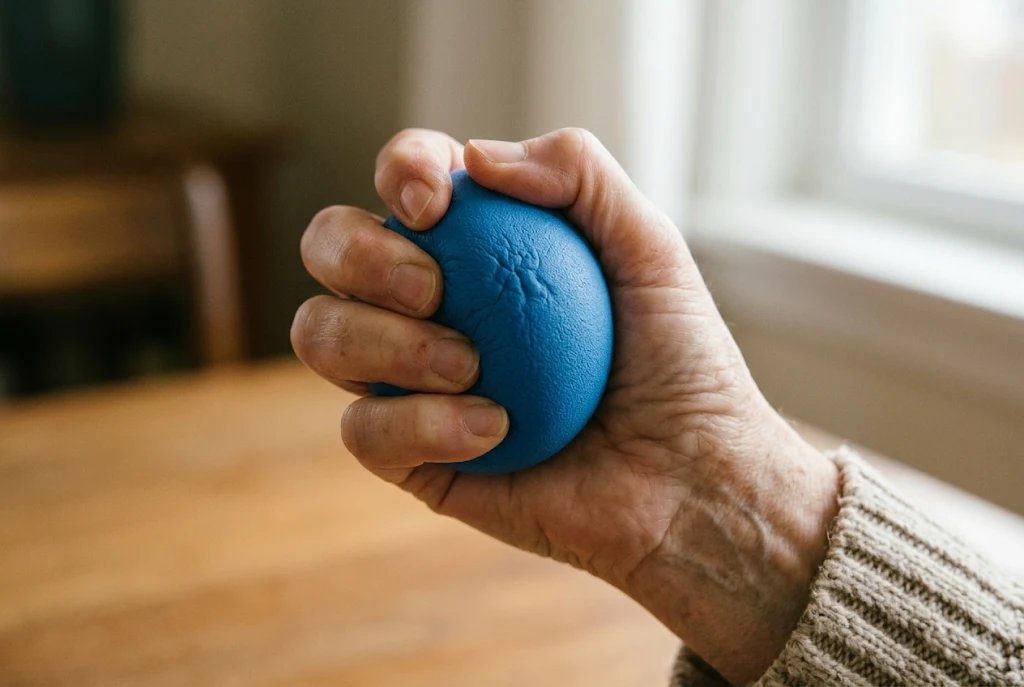
You don’t need to lift heavy weights to improve your grip. Small, consistent resistance is the key. Keep a soft stress ball, a tennis ball, or some therapy putty near your favorite reading chair. While you're relaxing, give it a few solid, sustained squeezes. Hold the squeeze for 3 to 5 seconds, then release. This simple practice builds the tendons and forearm muscles that power your hand, directly improving your overall grip strength metric over time.
These videos walk through some excellent, easy-to-follow hand and finger exercises that you can do right at your desk or kitchen table.
3. Turn Everyday Tasks into "Functional Fitness"
The best workouts are the ones naturally built into your day! Cooking, kneading dough, gardening, pruning plants, and even wringing out a wet cloth are fantastic functional exercises for your hands. Instead of avoiding tasks that require a bit of manual effort, view them as your daily resistance training. By actively engaging in these chores, you are preserving the fine motor skills required to live vibrantly and independently.
4. Know When to Rest
While movement is medicine, inflammation is not. If you are dealing with a flare-up of osteoarthritis, pushing through joint pain can actually cause more harm than good. Listen to your body. On days when your hands feel hot, swollen, or particularly achy, swap the grip practice for active rest. Gentle massage, warm water soaks, or applying a cold pack (depending on what feels best for your specific joints) gives your hands the recovery time they need to rebuild.
5. Don't Ignore the "Sharp" Pain (Ask a Clinician)
There is a big difference between the dull ache of tired muscles and sharp, shooting, or tingling pain. If you experience numbness, tingling (which could indicate a nerve issue like carpal tunnel), or sudden sharp pain when gripping, it's time to bring in the pros. Physical therapists and occupational therapists are absolute magicians when it comes to hands. They can provide custom splints, localized ultrasound therapies, and specific protocols to safely resolve the issue before it limits your lifestyle.
The Takeaway:
Your hands are your primary tools for interacting with the world. Treat them to a little daily maintenance, and they will keep working hard for you!
Add a quick morning finger stretch to your Daily 5 Checklist, and I’ll see you in the next post!
Medical disclaimer: Healthy Aging Ally provides general educational information and is not a medical service. This content does not diagnose, treat, cure, or prevent disease. Speak with a qualified healthcare professional before changing your diet, exercise, supplements, or medications, especially if you have a medical condition or take prescription medication.
Try the Free Daily 5 Checklist
Use the 5 habits from this article every day — check them off online, one box at a time.
Open the Free Daily 5 ChecklistGet the Free Healthy Aging Guide
Inside the free guide, you'll find the top protein sources for keeping your muscles strong as you age, simple meal-timing strategies for steady all-day energy, everyday foods that help your body fight inflammation naturally, and the #1 supplement mistake adults over 60 make — all explained in plain language you can put to use this week.
Get the Free Healthy Aging GuideSent straight to your inbox — free, no spam, unsubscribe anytime.